Hummel Figurines
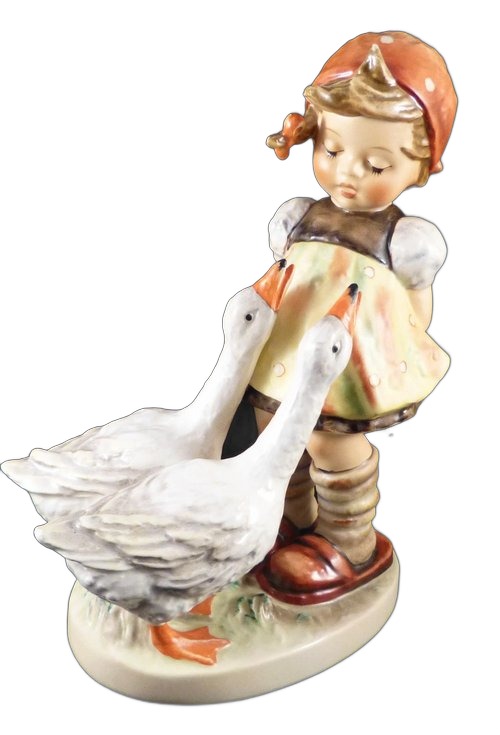
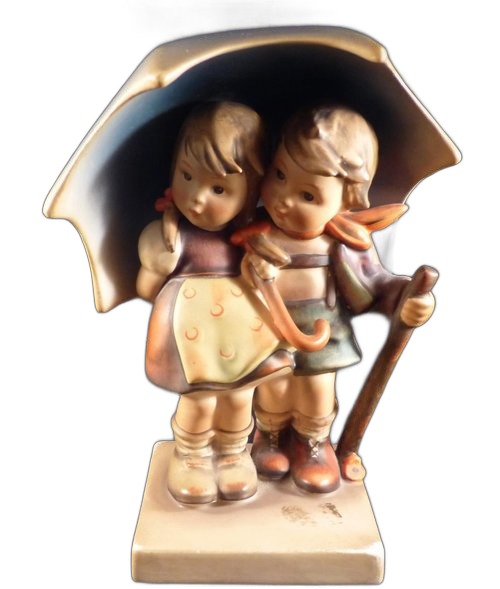
Hummel is a German porcelain company that has been around since the 1930s. Even though Hummels were made in Germany, they became extremely popular in the United States. One was not enough, people would not stop buying them. They soon had to have huge collections of these cute figurines.
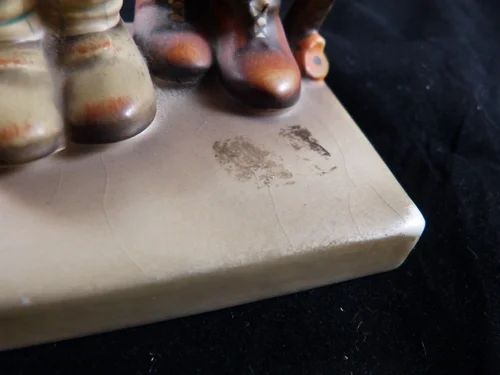
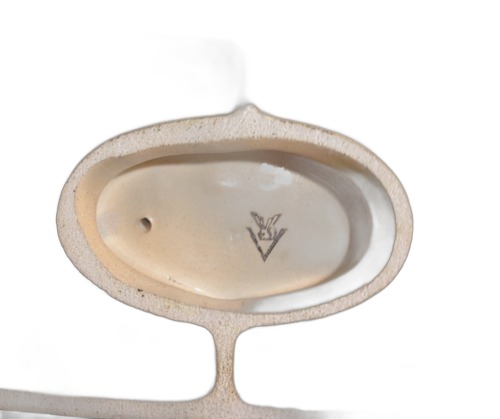
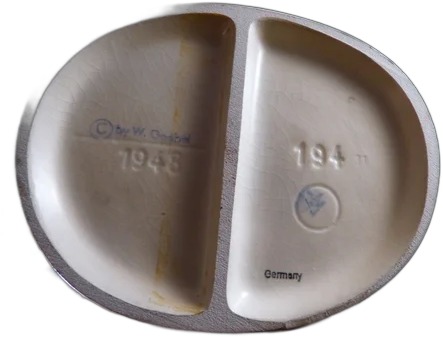
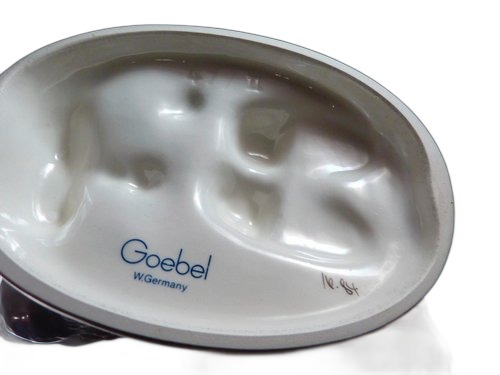
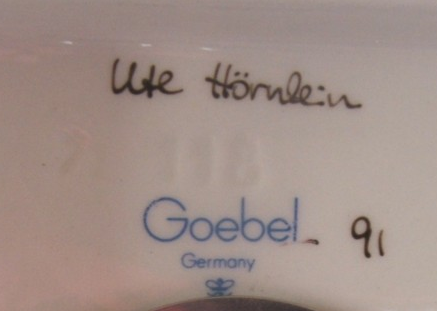
During the 1980s and 1990s Hummel collecting was at its peak. A Hummel figurine was the perfect present to give and as a result prices were very high. The value of Hummels depended on a few things. Age was a factor. Hummels manufactured many of the same figurines year after year. However, by looking at the mark underneath the base you can determine the age. Condition was also important. They are delicate items that chip and crack very easily. Also, when examined closely you may see crazing which can hurt the figurines value. Crazing is when an item develops small cracks do to age and storage condition. Size is also a major determiner. Many of the same Hummels came in multiple sizes, some over 2 feet tall. Larger Hummels usually sell for higher prices than smaller ones, as long as condition is good.
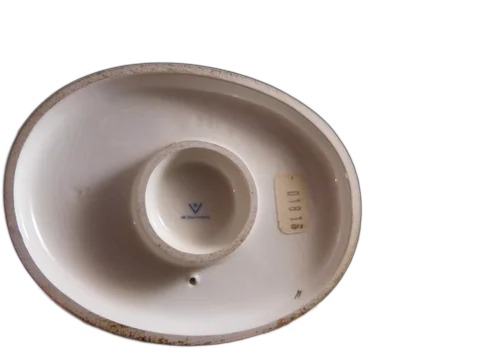
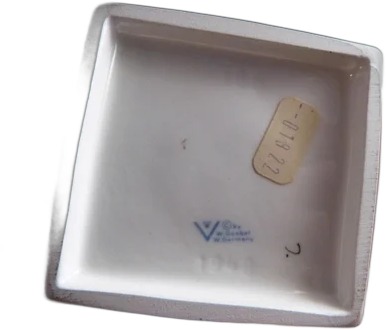
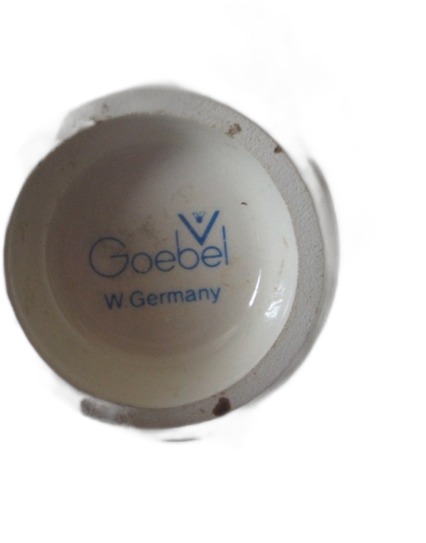
The Hummel market really took a hit in the past decade. Many say this was due to internet auctions like EBAY. The market became extremely flooded and the value of Hummels went down drastically. It seems as if many people stopped collecting and the children or grandchildren didn’t appreciate the beauty of these German figurines. An example my father always gives me to show the decline in price is the 1971 Hummel plate. This was highly sought after in the 80s. It could sell for over $2000!!!!! The same plate can now be bought on EBAY for around $50. Please see photos for some additional information including date marks.
Hummel figurines: quick answers
- What is a Hummel figurine?
- M.I. Hummel figurines are made by the German firm W. Goebel, based on drawings of children by Sister Maria Innocentia Hummel. Goebel began producing them in 1935, and they became especially popular with American collectors after World War II.
- How do I identify Hummel marks?
- Turn the figure over. The trademark on the base helps date it. Approximate periods: the Crown mark (TMK-1) from 1935 to about 1949; the Full Bee (TMK-2) through the 1950s; the Stylized Bee (TMK-3) from the late 1950s to early 1970s; the Three Line mark (TMK-4) from the mid-1960s to early 1970s; the Last Bee (TMK-5) through the 1970s; and the Missing Bee (TMK-6) from about 1979 to 1991. Look also for the incised mold number and the M.I. Hummel signature.
- What is a Hummel worth?
- Most common Hummels sell for modest amounts today. Older marks, larger sizes, rare models and perfect condition matter most. Chips, repairs and missing paint lower value. Send clear photos of the figure and the base mark and we can point you in the right direction.
- Which Hummels are most valuable?
- Early Crown and Full Bee pieces, large display figures, limited editions and rare variations are the ones collectors look for most. Common figures with later marks usually bring much less.