High-value Asian antiques: what to photograph before requesting a valuation
Good photographs cannot replace an in-person examination, but they can help a specialist decide what an object may be, what questions to ask, and whether it deserves closer attention.
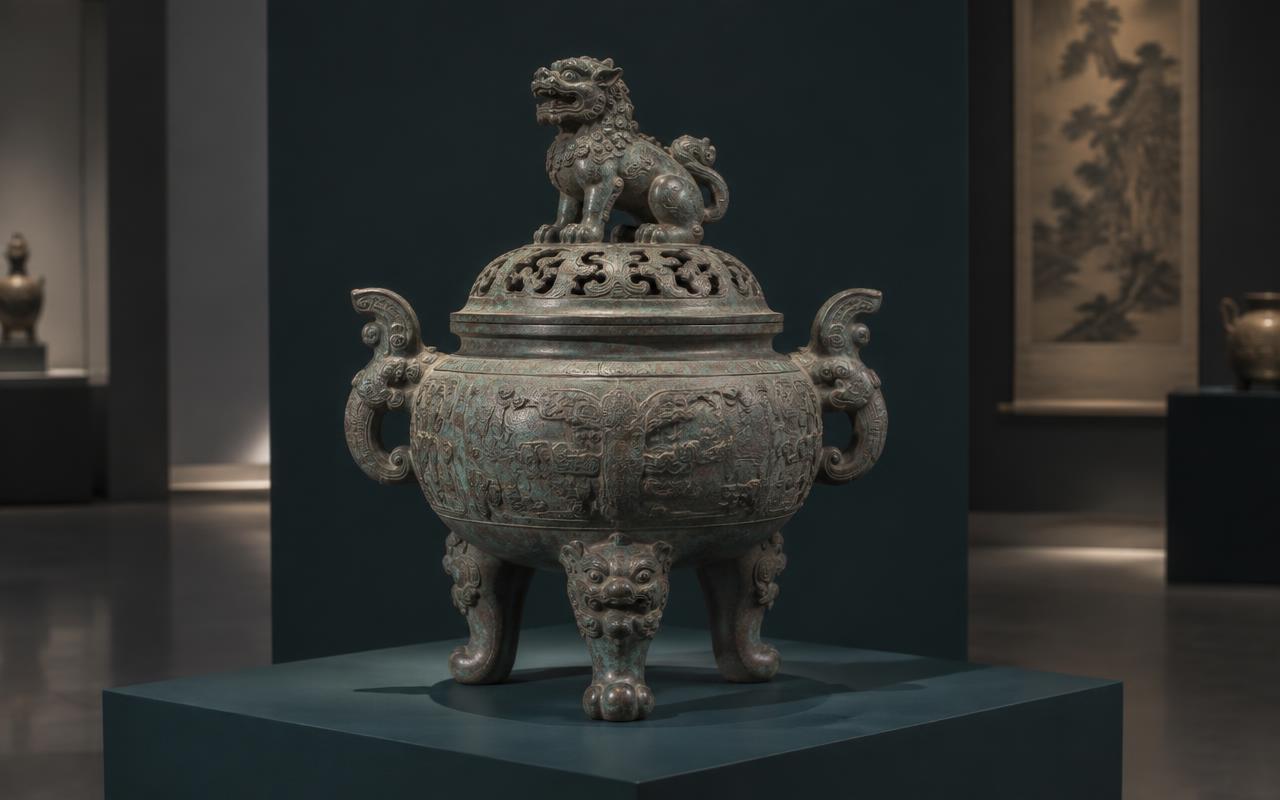
Chinese and other Asian antiques can be difficult to assess from a single photograph. An object may combine subtle evidence in its form, materials, decoration, construction, surface, marks, and wear. A useful submission shows those details clearly instead of trying to make the piece look dramatic.
Whether the object is porcelain, jade, bronze, lacquer, cloisonné, furniture, or a work on paper, the following photographs give Sean and a category specialist a better starting point.
Begin with complete views
Place the object against a plain, uncluttered background in indirect daylight. Photograph the whole piece from the front, back, both sides, and above when safe. Keep the camera level and leave a small amount of space around the object so its silhouette is easy to read.
For vessels, include the profile, mouth, neck, foot, handles, and interior. For furniture, show the front, back, sides, underside, interior, drawers, joinery, and hardware. For scrolls or paintings, include the entire work as well as its mounting.
Photograph marks without interpreting them
Marks can appear on a ceramic foot, bronze base, lacquer interior, furniture label, paper margin, seal, or fitted stand. Take one photograph that shows where the mark sits, then a closer image sharp enough to see individual lines.
Do not apply chalk, powder, oil, water, or cleaning products to make a mark more visible. Avoid filters and aggressive phone editing. A clear, faithful image is more useful than a high-contrast version that changes the surface.
Show construction and the underside
The underside is often as informative as the decorated face. A ceramic foot may show the body material, glaze termination, kiln grit, wear, and later grinding. A bronze base can reveal casting, joins, patches, or an added plate. Furniture interiors and undersides may show tool marks, secondary woods, fasteners, and repairs.
Include photographs of rims, seams, joints, handles, hinges, drawer sides, mountings, and any place where separate parts meet. These details can help distinguish period construction from later assembly or alteration.
Document condition honestly
Damage does not automatically make an object uninteresting, but hidden damage makes a remote review less reliable. Photograph chips, cracks, hairlines, losses, dents, corrosion, stains, lifting lacquer, loose joints, replaced hardware, and visible restoration.
Use raking light—light coming from the side—when it helps reveal a surface. Do not dismantle, polish, wash, or test an object for the sake of photographs. If the piece is heavy, fragile, or mounted, prioritize safe handling.
Add scale and exact measurements
Provide height, width, depth, diameter, and weight where practical. Write the measurements in your message rather than relying only on a ruler in the frame. For small carvings, snuff bottles, seals, or scholar’s objects, one photograph beside a neutral scale reference can still be helpful.
Share provenance separately from family stories
Provenance means the documented history of ownership. Useful evidence can include old invoices, auction catalogues, collection labels, customs documents, appraisals, exhibition records, correspondence, or photographs showing the object in an earlier setting.
Family history is also worth sharing, but identify it clearly as an oral account unless records support it. Statements such as “brought back from China by my grandfather after the war” can guide questions, yet they do not establish a date or origin by themselves.
A practical photograph checklist
- One clear overall view and views from every side.
- The top, base, underside, interior, and foot where relevant.
- Close-ups of marks, seals, signatures, labels, and inscriptions.
- Construction details, joins, mounts, hardware, and edges.
- Every area of damage, restoration, or unusual wear.
- Exact measurements and, when useful, weight.
- Any documents, old photographs, boxes, stands, or related accessories.
What photographs cannot confirm
Images alone may not establish material, age, authorship, authenticity, or value. Color can shift between cameras and screens. Weight, sound, density, temperature, tool marks, restoration, and surface treatments may require direct examination or scientific testing.
The purpose of the first review is to decide whether an object appears promising and what kind of specialist attention it deserves. Clear, complete photographs make that decision more informed—and make it easier to connect an owner anywhere in the country with the right expert.